
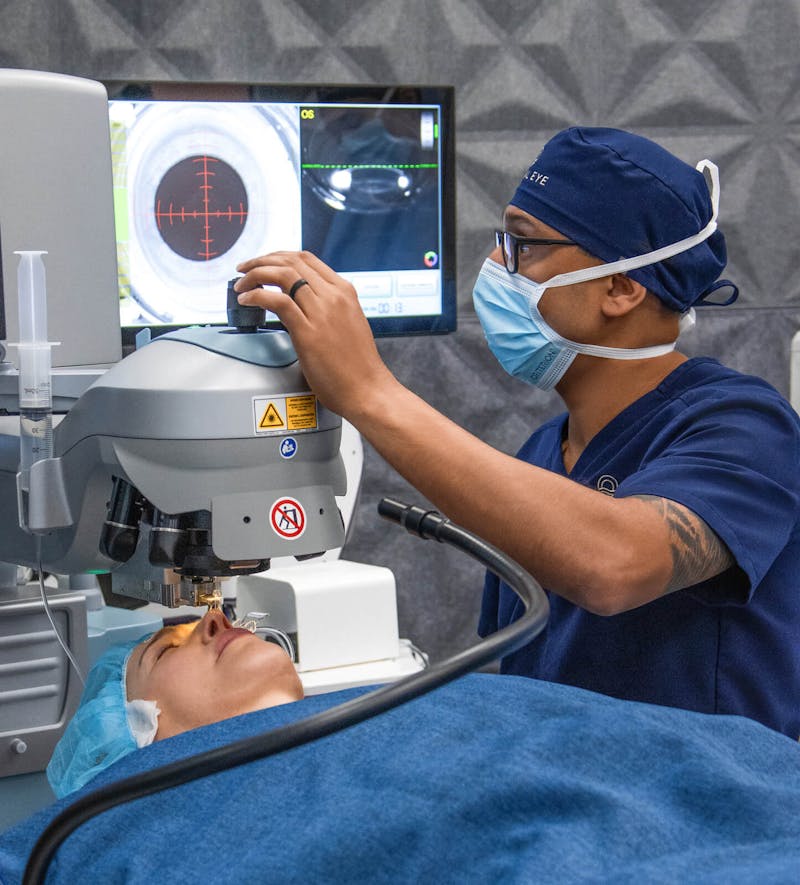
Retinal conditions such as macular holes, retinal detachments, and diabetic retinopathy can severely impact vision if left untreated. Traditionally, retinal surgery has been an intricate procedure requiring longer recovery times and carrying a higher risk of complications. However, advances in micro-invasive retina surgery are revolutionizing the way these conditions are treated, offering patients faster recovery and reduced risks. Here’s an overview of the latest developments in minimally invasive retinal surgery techniques and how they are transforming eye care.
What Is Microinvasive Retina Surgery?
Microinvasive retina surgery, or minimally invasive vitreoretinal surgery (MIVS), is a cutting-edge approach that uses ultra-fine instruments to treat retinal disorders with minimal disruption to surrounding tissues. These instruments are often smaller than 25 gauge (about 0.5 mm), making the surgical incisions exceptionally small. The precision of this technique enables surgeons to perform complex retinal surgeries with greater accuracy and fewer complications.
This technique is typically used to treat various retinal conditions, including:
- Retinal detachments
- Macular holes
- Epiretinal membranes
- Diabetic retinopathy
- Vitreous hemorrhages
Latest Developments in Microinvasive Techniques
Several recent innovations in microinvasive retinal surgery are improving patient outcomes and enhancing the surgical process:
Smaller Gauge Instruments: The development of smaller surgical instruments, such as 27-gauge tools, has led to even less invasive procedures. These instruments allow surgeons to operate precisely while minimizing eye trauma, leading to faster recovery times.
High-Speed Vitrectomy Systems: Modern vitrectomy machines now offer higher cutting speeds, allowing for more efficient removal of the vitreous (the gel-like substance inside the eye) during surgery. This technology reduces patients' time under anesthesia and lowers the risk of complications associated with longer procedures.
Advanced Visualization Systems: The latest 3D visualization systems provide surgeons with enhanced, real-time views of the retina during surgery. This allows for greater precision and reduces the chance of errors, ensuring safer outcomes for patients.
Self-Healing Incisions: The small incisions made during microinvasive retina surgery are often self-sealing, eliminating the need for stitches. This reduces the risk of infection and speeds up the recovery process.
Benefits of Microinvasive Retina Surgery
The advancements in microinvasive techniques offer several key benefits for patients, including:
- Reduced Recovery Time: Because the procedure is less invasive, patients typically experience faster recovery times compared to traditional retinal surgery. Most patients can resume their normal activities within a few days to a week.
- Lower Risk of Complications: Smaller incisions and less trauma to the eye significantly reduce the risk of complications such as infection, bleeding, or scarring.
- Less Postoperative Discomfort: Due to the minimally invasive nature of micro-invasive surgery, patients often report less pain and discomfort after the procedure. The use of smaller instruments results in less inflammation and irritation in the eye.
- Improved Visual Outcomes: The precision of microinvasive techniques allows for better surgical accuracy, which leads to improved visual outcomes. Many patients see an improvement in their vision within days or weeks of the surgery.
Is Microinvasive Retina Surgery Right for You?
If you’ve been diagnosed with a retinal condition, microinvasive retina surgery could be a viable option to restore your vision with minimal downtime. Coastal Eye proudly offers the latest retinal surgery techniques to help our patients achieve optimal outcomes.
Microinvasive retina surgery is transforming the field of ophthalmology, offering patients safer, more efficient treatments with faster recovery times. If you’re facing a retinal issue and want to explore your treatment options, schedule a consultation with Coastal Eye today. Our specialists are here to guide you through every step of your eye care journey and provide cutting-edge solutions to protect your vision.